3 in 4 US shoppers blame tariffs for shortages they personally encounter
Lifestyle

Audio By Carbonatix
11:15 AM on Wednesday, August 26
By Jared Plumb for inFlow Inventory, Stacker

3 in 4 US shoppers blame tariffs for shortages they personally encounter
Nearly three-quarters of American shoppers blame tariffs for shortages they personally encounter, while only one in five blame tariffs for shortages overall, according to a new survey by inFlow Inventory.
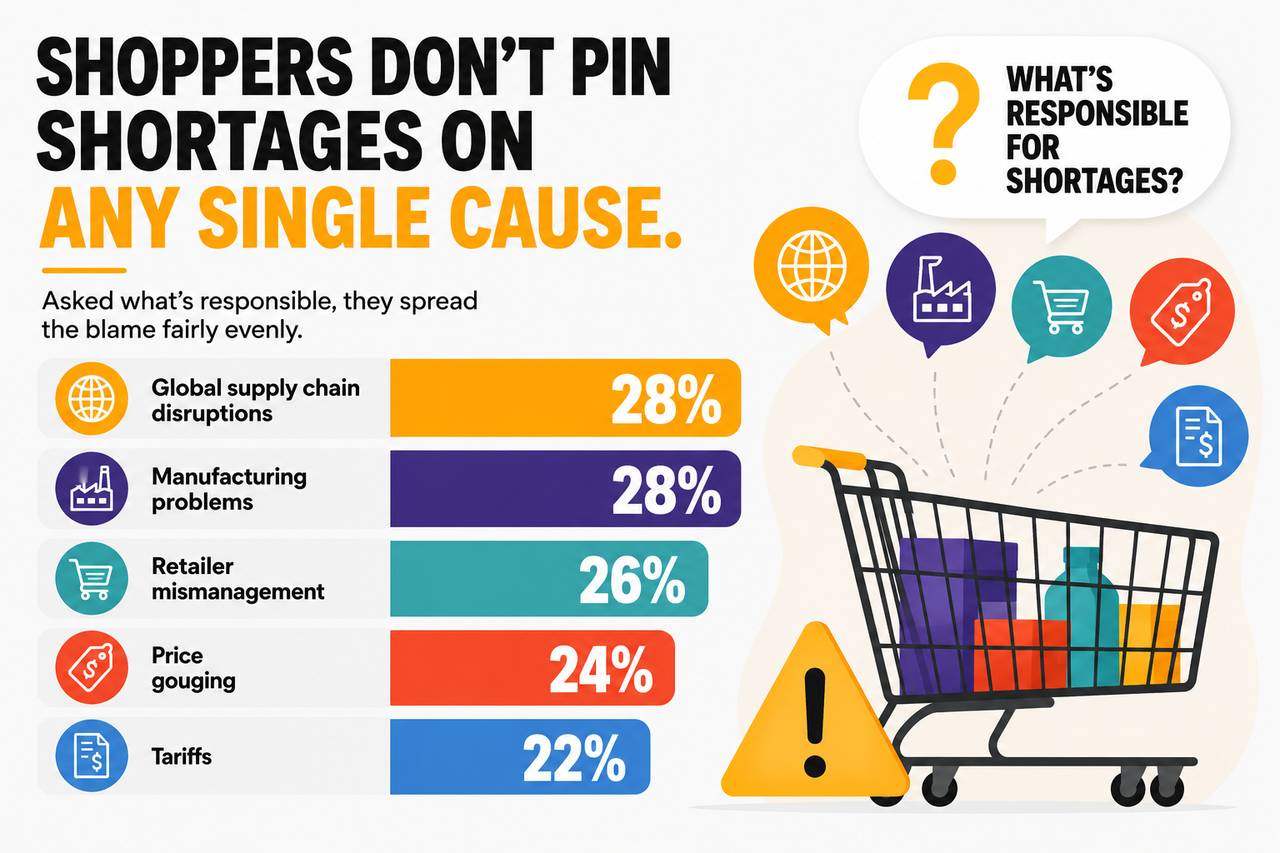
In the June 2026 survey, 1,000 U.S. adults were asked about shortages in two ways. When asked what’s responsible for shortages in general terms, only 22% of respondents blamed tariffs, citing manufacturing shortages, retailer mismanagement, supply chain disruptions, and price gouging as bigger issues, inFlow Inventory reports. Yet when asked about a shortage they’ve personally experienced, 73% blamed tariffs, and nearly a third ranked them as the single biggest cause.
No matter where shoppers lay the blame for the shortages they experience, the store takes the hit. Out of the 82% of shoppers who eventually got what they wanted, over three-quarters trusted that seller less than before. Only slightly over two out of 10 shoppers said the experience changed nothing.
The results are costly. Nearly a quarter of shoppers have permanently switched stores after a stockout, and 21% have completely dropped a brand.
For shoppers who want their products, most would rather spend more to get them than wait. Seventy-one percent said they would pay for premium shipping, while 73% said they already have.
These actions aren’t taken lightly, though: 32% said they have resented paying extra.
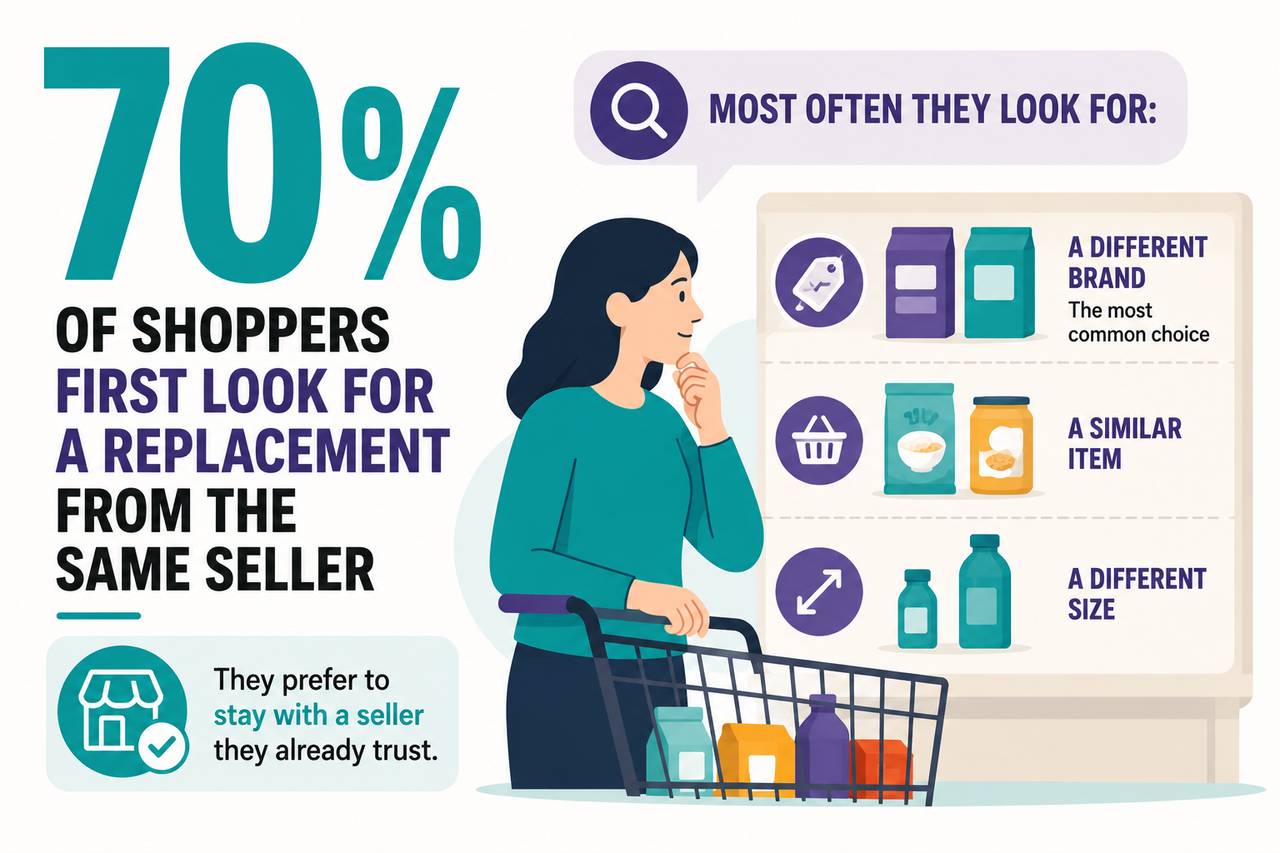
To accommodate the inconvenience, retailers have invested in back-in-stock alerts and restock estimates. However, the data shows the shoppers do not want these. When asked what would help most with stockouts, a quarter of shoppers wanted a recommended alternative, two in 10 wanted reliable visibility into nearby stock, and only 14% wanted an accurate restock date.
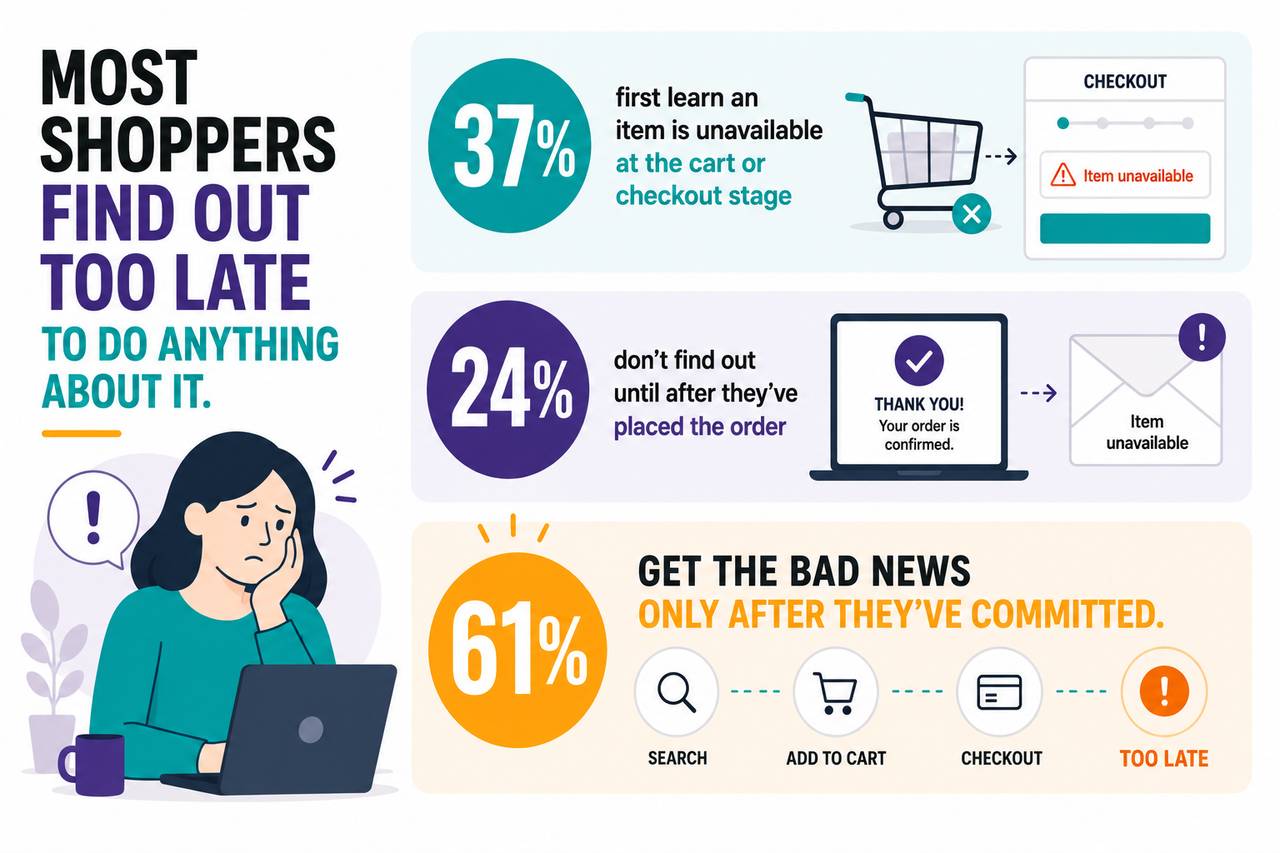
Timing may help explain why shoppers want these responses. Over six in 10 shoppers don’t find out about a stockout until they are placing an order, and by then, it’s too late for a promise of next week.
Methodology
InFlow, a Toronto-based inventory software company, surveyed 1,000 U.S. adults in June 2026. The survey was fielded by Audience Align and balanced to Census targets on age, gender, region, and income. One screening detail matters for reading every number: All 1,000 respondents had hit at least one stockout in the previous 60 days, so the results describe people with recent stockout experience, not the general public. A subset of 365 bought the missing item for work, and 109 bought a substitute.
This story was produced by inFlow Inventory and reviewed and distributed by Stacker.