Democratic members of US Congress visit Cuba and compare US energy embargo to 'silent Gaza'
News > Politics & Government News


Audio By Carbonatix
6:25 PM on Monday, July 13
By CRISTIANA MESQUITA and ANDREA RODRÍGUEZ
HAVANA (AP) — Four Democratic members of U.S. Congress who traveled to Cuba this weekend described the energy embargo imposed on the island by U.S. President Donald Trump as turning the island into a “silent Gaza.”
The U.S. implemented the energy embargo in January after the capture of Venezuela's then-President Nicolás Maduro and threatened tariffs on other countries that sell fuel to the island. The measures have exacerbated a five-year crisis caused by previous sanctions and failed domestic policies, such as monetary unification.
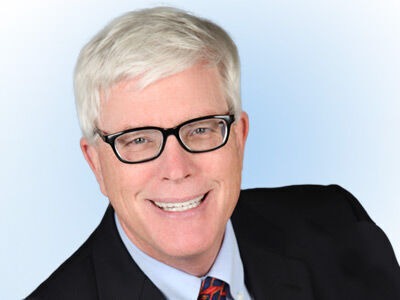
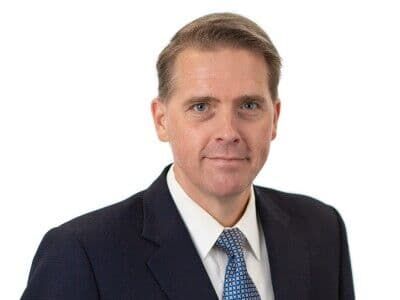
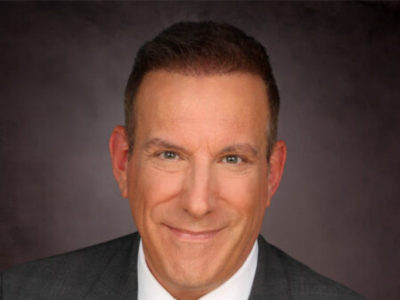
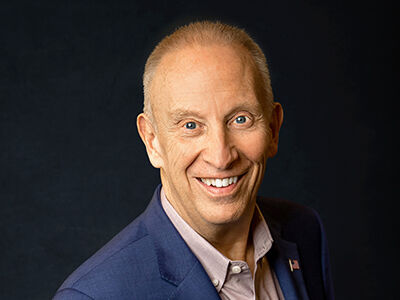
Reps. Mark Pocan of Wisconsin, Teresa Leger-Fernández of New Mexico, Maxine Dexter of Oregon and Delia Catalina Ramírez of Illinois arrived Thursday for a visit that included meeting with President Miguel Díaz-Canel and lasted until Monday. This is the second trip by representatives in three months.
They also met with ministers, medical professionals, and business leaders and toured the streets of Havana, they told journalists. However, they clarified that there are currently no talks between Washington and Havana when asked about progress in the bilateral dialogue to lift the energy embargo.
“I think (Secretary of State) Marco Rubio is making this personal and not professional,” Pocan said.
Rubio is the son of Cuban immigrants and grew up in Miami, where he began his political career under the strong influence of anti-Castro exile groups.
Both governments have acknowledged on several occasions that there has been contact between their officials, but it's unclear when the two countries last met. Neither country has offered details on the talks.
Recently, the grandson of the 95-year-old socialist leader Raúl Castro, Col. Raúl Guillermo Rodríguez Castro, offered himself as an intermediary with Trump. He secretly met with Rubio on the sidelines of a Caribbean Community summit in St. Kitts in February.
Trump and Rubio have indicated that they hope the embargo will strangle the island’s government, which they accuse of being inefficient. Cuban authorities have denounced it as collective punishment.
On the streets, the consequences are palpable: blackouts lasting more than 20 hours a day, limited public transportation, flight cancellations, a drop in tourism, reduced working hours and a general paralysis of domestic life.
Lawmakers condemned the impact of the energy blockade. According to Pocan, someone he spoke with in Cuba described the current situation as a “silent Gaza,” which he considered an “apt description.”
“There may not be bombings, but there are certainly conditions that prevent people from going about their daily lives. They can’t go to work, they can’t preserve their food, they can’t access medical supplies, or live as they did before,” he said.
Leger-Fernández said it "doesn't make any sense at all to force a country to suffer."
Dexter — who is also a trained physician — and Ramírez said they will seek to promote amendments in Congress to mitigate the health impact and prevent further action by Trump without legislative authorization, such as the armed operations that he repeatedly threatened.
___
Follow AP’s Latin America coverage at https://apnews.com/hub/latin-america