These traditionalist Catholics are defying Pope Leo XIV, and embracing their outsider status
News > Religion News


Audio By Carbonatix
2:47 AM on Wednesday, June 24
By NICOLE WINFIELD
VATICAN CITY (AP) — A breakaway group of traditionalist Catholics will challenge Pope Leo XIV’s authority next week by consecrating four bishops without his consent. Rather than shying away from the confrontation, the Society of St. Pius X seems intent on embracing its notoriety.
The group, which celebrates the traditional Latin Mass and rejects the modernizing reforms of the Catholic Church, is planning a highly organized, four-day, livestreamed extravaganza for the consecrations at its Swiss seminary — complete with a souvenir wine set offered to those attending.
The July 1 event, nearly four decades after the group first became a thorn in the Vatican's side, suggests it is leaning in even more ardently to its schismatic status for a new generation of Catholics who prefer their Masses in Latin and don’t mind that their bishops are out of communion with Rome.
“To me, they look really like Traditionalism 2.0,” said Massimo Faggioli, professor of theology at Villanova University, Leo’s alma mater. The group, known as the SSPX, has embraced technology and digital branding of its religious identity, despite its antimodern, integralist agenda.
“Their game is not about getting back into the fold, but getting back into the monopoly of that ultra-traditionalist identity,” Faggioli said.
The SSPX was founded in Écône, Switzerland, in 1970 in opposition to the reforms of the 1960s Second Vatican Council, the church meetings that, among other things, allowed Mass to be celebrated in the vernacular rather than Latin.
The group first broke with Rome in 1988 when its founder, Archbishop Marcel Lefebvre, consecrated four bishops without papal consent. The Vatican promptly excommunicated Lefebvre and the four other bishops, and the group today still has no legal status in the church.
Yet in the decades since that original schismatic act, the group has continued to grow, with schools, seminaries and parishes around the world and branches of priests, nuns and lay Catholics who are attached to the traditional Latin Mass.
The growth poses a threat to the Holy See since the SSPX amounts to a parallel, ultra-Catholic church: Today the SSPX counts two bishops, 733 priests, 264 seminarians, 145 religious brothers, 88 oblates and 250 religious sisters representing 50 nationalities, according to SSPX statistics.
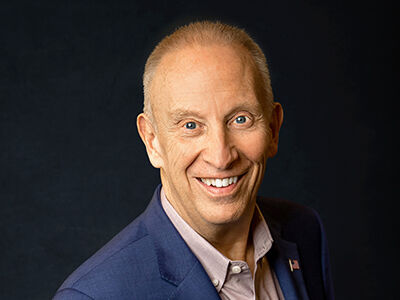
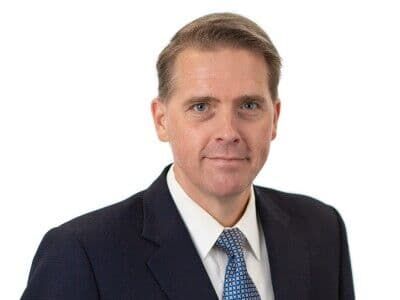
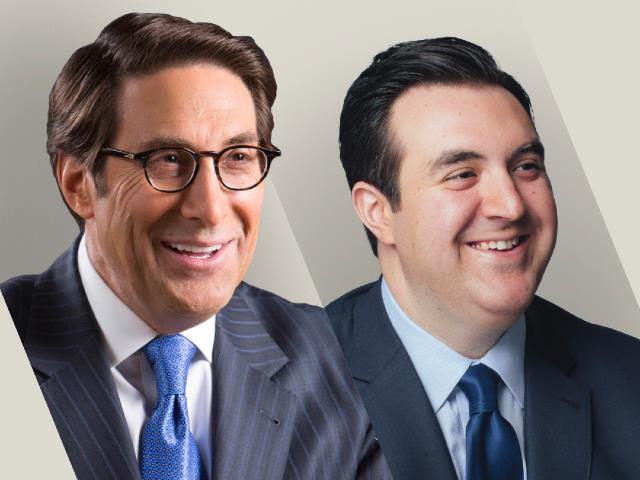
Next week, their numbers will grow with ordinations of a handful of new priests and four new bishops: Pascal Schreiber of Switzerland, Michael Goldade, of the United States, Michel Poinsinet de Sivry of France and Marc Hanappier, also of France.
The Vatican has already warned that such consecrations constitute a “schismatic act” and a “grave offense to God” that incurs automatic excommunication, or a casting out of communion under the pope, for the four bishops and those who perform the rite.
The SSPX superior, the Rev. Davide Pagliarani, has justified the consecrations by arguing that the SSPX’s two surviving bishops from the original 1988 consecrations are old and can't minister to such a global reality. He has invoked what he calls a “state of necessity” to save souls.
For the SSPX, the post-Vatican II church is awash in heresies and has strayed from core tenets of the Catholic faith.
After Pagliarani announced the consecrations, the Vatican invited him for talks. But the same theological and practical problems that have prevented rapprochement for 50 years left the two sides at an impasse.
In announcing the names of the four new bishops last month, the SSPX insisted that it is not seeking to claim power or jurisdiction from Leo or “establish a parallel authority within the church.”
“The ceremony of July 1st will have no other purpose than to ensure the continued administration of the sacraments of Holy Orders and Confirmation, together with those sacramentals reserved to bishops, according to the traditional rite of the Holy Roman Church and the immemorial Faith,” the SSPX statement said.
The website for the event suggests months of preparation for thousands of people to attend: Registered participants can book accommodation at more than a dozen nearby hotels and family homes; they can request carpooling options from more than 100 locations; and prepay daily lunches via a festival-style wristband.
And then there is the wine. Registered participants can “take home a memory of this historic event” by purchasing a limited edition set of four bottles of wine. Each bottle features a bishop-themed label: an image of a bishop's pointed miter hat, his ring, cross or crozier staff.
The 75 Swiss franc ($92.50) “Cuvee des Sacres” gift box — Pinot noir, Syrah, Petit Arvine and Fendant — is available for pickup on site.
That level of organization suggests “they never had any idea of walking back" the plans, Faggioli said.
The consecrations pose a direct challenge to church unity and Leo’s authority, since papal consent for new bishops is a fundamental expression of his authority, and is required to guarantee apostolic succession — the lineage of bishops from Christ's original apostles.
The American pope, however, seems resigned that the ceremony will go ahead and that everyone will have to accept the consequences.
Leo said last week he was considering a new appeal to the SSPX to back off its threat and work to come back into communion. “But it is their choice. We need to realize what this means for them and for the church,” Leo told reporters.
Division among Christians, he said, is always painful for the church. “However, they refuse to accept certain fundamental elements of the church, starting with various points of the Second Vatican Council. And while I regret that choice, we must move forward."
From the start of his pontificate, Leo has sought to pacify relations with Catholic traditionalists that worsened under Pope Francis. While the Argentine pope had offered some concessions to the SSPX, he cracked down on the spread of the old Latin Mass among other traditionalists in communion with Rome.
These Catholic traditionalists opposed Francis' crackdown and sympathize to some extent with the SSPX arguments about a “crisis” in the church today. But they haven't gone to the SSPX and are firm that the consecrations are an unlawful sign of disobedience.
Joseph Shaw, head of the Latin Mass Society of England and Wales, said the planned SSPX consecrations were intended to be very public, unlike unauthorized ordinations by other fringe groups “that take place in hotel rooms.”
“There’s a general principle that Catholics have a right to know that their sacraments are valid,” he said. “And they (the SSPX) have the resources to do it nicely.”
Luigi Casalini, of the Messa in Latino (Latin Mass) blog, said the consecrations are “grievously unlawful” and that the SSPX claim of a “state of necessity” to justify them is unfounded.
But he also accused the Vatican of a double standard: threatening SSPX bishops with excommunication for their ultra-orthodox deviation from Rome, while actively negotiating with German bishops on their ultraprogressive reforms that also run afoul of Catholic doctrine.
Leo refused to meet with Pagliarani and yet “such severity is not shown toward the doctrinal statements — which are indeed on the verge of schism," circulating within the German church, Casalini said.
As if to preempt such arguments, the Vatican on Tuesday officially shot down a German request to let laypeople preach homilies at Mass, restating church rules saying only priests and deacons may.
___
Associated Press religion coverage receives support through the AP’s collaboration with The Conversation US, with funding from Lilly Endowment Inc. The AP is solely responsible for this content.