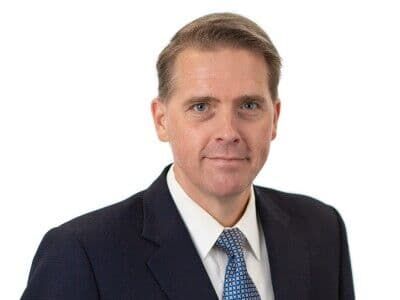
EU commissioner warns of potential jet fuel shortage in the long term
News > Politics & Government News


Audio By Carbonatix
11:04 AM on Wednesday, May 13
By MENELAOS HADJICOSTIS
NICOSIA, Cyprus (AP) — The European Union's energy commissioner said Wednesday that while there is no immediate threat to jet fuel supplies, the possibility of a longer-term shortage cannot be ruled out.
Commissioner Dan Jørgensen told reporters that any shortage will depend on how the Iran war and the situation in the Strait of Hormuz will unfold, as well as how airlines will react after some companies — including the German owners of the airline Lufthansa — canceled a significant number of flights.
Fighting around the Strait of Hormuz, from which a fifth of the world’s oil typically passes, has disrupted supplies and caused fuel prices to spike around the world.
While Jørgensen said “we’re not there yet” in terms of a jet fuel shortage, he said the bloc’s executive arm will start talks with member states “on how best to address the situation,” without offering any specifics.
The Iran war has caused the price of jet fuel to more than double in some markets since late February and airlines are particularly vulnerable because fuel costs account for a huge chunk of their operating expenses.
Last month, International Energy Agency Chief Fatih Birol told The Associated Press in an exclusive interview that Europe has “maybe six weeks or so” of remaining jet fuel supplies.
He also warned of possible flight cancellations “soon” if oil supplies remain blocked by the Iran war.
The commissioner said the fact that the bloc has paid 35 billion euros ($41 billion) in additional costs for the same amount of fuel since the start of the Iran war underscores the need for a rapid transition away from fossil fuels.
“Really, this is not an energy crisis. This is a fossil fuel crisis,” Jørgensen said, adding that even though the EU has diversified its energy supply, it has become more energy efficient and has added more renewables since the 2022 Russian invasion of Ukraine.
Michael Damianos, the energy minister of Cyprus which currently holds the EU’s rotating presidency, said fossil fuels such as natural gas will remain in the bloc’s energy mix in the foreseeable future even as the goal of a 90% drop in greenhouse emissions by 2040 remains firm. He added that natural gas from deposits discovered off Cyprus’ southern coast could reach European markets by late next year, early 2028.
Jørgensen said the EU remains “very committed” to reducing greenhouse gas emissions quickly because “the climate crisis will not go away.”
Over the long term, the EU commissioner said the bloc is in talks with Gulf nations to see how the flow of energy from the region is restored after a negotiated peace with Iran is in place.
Last month, EU Council President Antonio Costa and EU Commission President Ursula von der Leyen said the bloc was ready to work with Persian Gulf countries for new projects conveying energy to global markets that wouldn’t be held hostage to war or geopolitical strife.