She Was Harassed in a Robotaxi — and Still Trusts It More Than Human Drivers
News > Technology News

Audio By Carbonatix
8:00 PM on Saturday, December 6, 2025
By Philip Uwaoma | Guessing Headlights
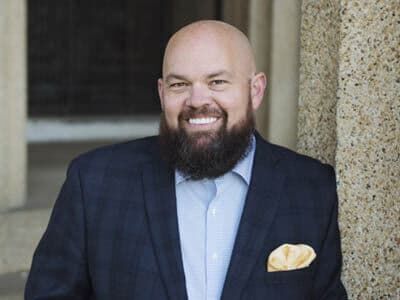
For Amina Green, a 29‑year‑old data scientist living in San Francisco, autonomous vehicles represent both a technological marvel and a personal lifeline. Despite a frightening incident last year when two men blocked her Waymo robotaxi and harassed her, Green says she still prefers riding in self‑driving cars over traditional human‑operated vehicles. Her story underlines both the promise and the challenges of autonomous mobility as companies like Waymo push toward mainstream adoption.
A Promising StartGreen recalls the excitement of her first Waymo ride in early 2024. Having survived a serious car accident as a child, she never pursued a driver’s license and instead relied on walking or ride‑hailing services. The arrival of robotaxis offered her something new: independence without the anxiety of being behind the wheel.
“The car felt safe, convenient, and even fun,” she explained. She enjoyed the privacy of riding alone, the ability to set her own music, and the novelty of filming short videos inside the futuristic vehicle. For Green, Waymo was more than transportation—it was empowerment.
The Incident That Shook Her ConfidenceThat sense of security was tested in September 2024. While traveling through San Francisco’s South of Market–Tenderloin area, her Waymo stopped at a red light. Two men stepped in front of the vehicle, refusing to move until she gave them her phone number.
Green described feeling trapped. “I kept telling them to get out of the way, but they wouldn’t,” she said. Other drivers honked as traffic stalled, and she worried about being alone without immediate police presence. When the men finally left, the Waymo remained stationary, leaving her stranded until remote support intervened.
Waymo later contacted her multiple times to check on her well‑being and offered $100 in ride credit. Still, the experience rattled her enough to stop using robotaxis for several months.
Returning to Autonomous RidesDespite the scare, Green eventually resumed using Waymo. Why? She feels safer with a robotaxi than with a human driver.
She recounted past experiences in ride‑hailing services where drivers behaved inappropriately or dangerously. One driver watched YouTube videos while driving; another made her uncomfortable late at night. “There are situations where I wouldn’t want to be alone in a car with a stranger,” she said.
By contrast, Waymo vehicles are monitored by remote personnel who can intervene if something goes wrong. That oversight, combined with the absence of human error like distraction or intoxication, reassures her. “I still feel safer riding in a Waymo than in a human‑driven vehicle,” she emphasized.
The Implications for Autonomous AdoptionGreen’s story underscores the dual challenges facing autonomous mobility: engineering reliability and social context. While robotaxis can navigate traffic with precision, they cannot control unpredictable human behavior outside the vehicle.
She believes companies should consider neighborhood dynamics when designing routes. “In some areas, people interact with the streets differently. Maybe riders should have options to avoid certain neighborhoods,” she suggested. She also advocates for added security features, such as automatic door locks when passengers enter.
Her comments reflect a broader tension in San Francisco, where autonomous cars symbolize technological progress but also provoke resistance. Some residents see them as emblems of a tech‑driven culture that excludes non‑tech communities. There are reports of occasional vandalism of the vehicles.
A Balanced Perspective🚨Warning to women in SF 🚨I love Waymo but this was scary 😣2 men stopped in front of my car and demanded that I give my number.It left me stuck as the car was stalled in the street.Thankfully, it only lasted a few minutes...Ladies please be aware of this — Amina (@Amina_io) September 30, 2024
Green remains pragmatic. She still uses human ride‑hailing services about half the time, citing Waymo’s longer wait times and higher costs. Yet she hopes autonomous technology will expand, provided companies address safety and cultural concerns.
“I’m positive about the technology,” she said. “There are edge cases that need to be solved, but ultimately, I think this will be widely available.”
Her experience illustrates a paradox: even after a distressing encounter, she trusts the system more than the alternatives. For Green, the incident was not proof of failure but a reminder that innovation must adapt to real‑world complexities.